|


Ceramic Substrate PCBs boast exceptional technical parameters for extreme environments. Common substrates include alumina (Al₂O₃), aluminum nitride (AlN), and silicon nitride (Si₃N₄), with thermal conductivities ranging from 20 W/m·K (Al₂O₃) to over 200 W/m·K (AlN). They feature a thickness of 0.2-3mm and support copper metallization layers (10-300μm) via direct bonding or thick-film techniques. Operating temperatures span -200°C to 850°C, with high dielectric strength (>10kV/mm) and low thermal expansion.
Functionally, these PCBs excel in heat dissipation for high-power devices, leveraging ceramic’s excellent thermal conductivity and electrical insulation. Their resistance to corrosion, radiation, and thermal shock ensures stability in harsh conditions. Ideal for power electronics (IGBT modules), automotive sensors, aerospace systems, and high-temperature industrial equipment, they enable reliable operation where metal or organic substrates fail, enhancing system longevity and performance.
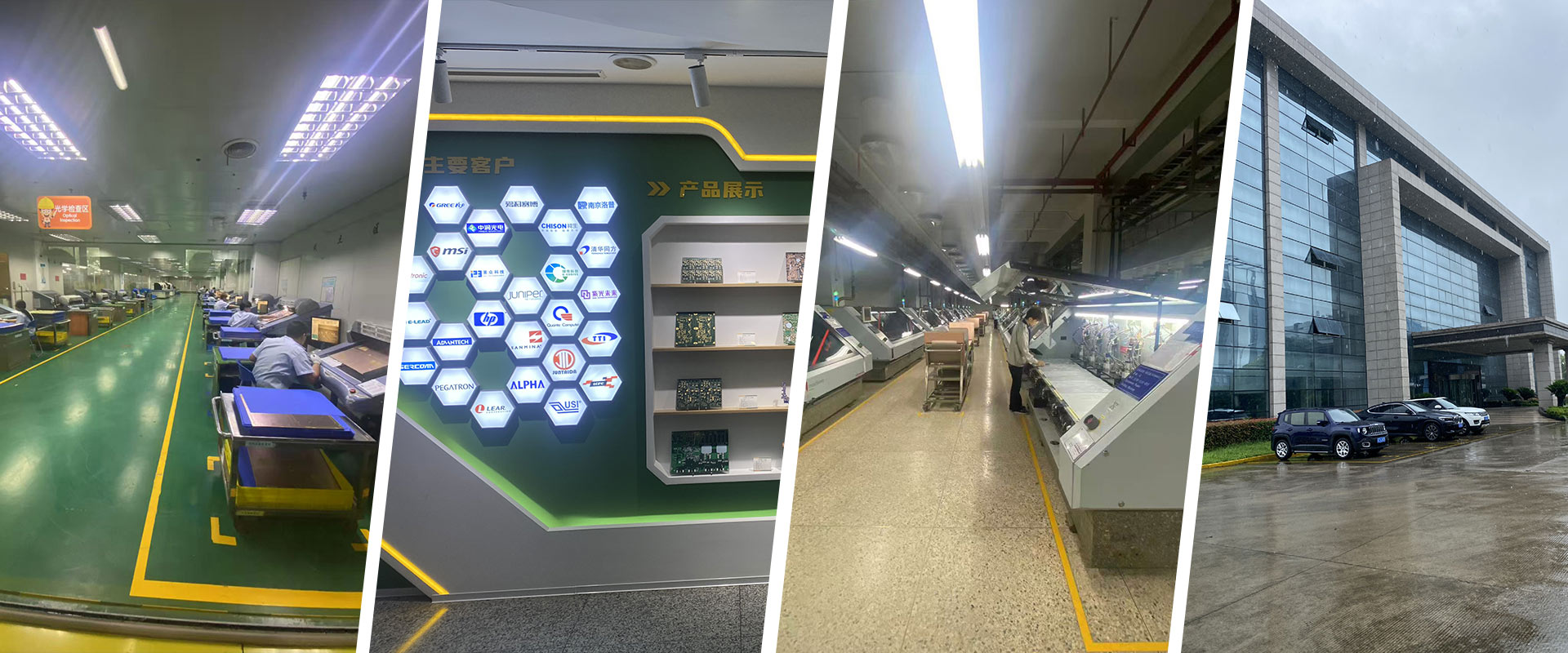
Factory Pictures