|


Flexible PCBs (Flex PCBs) feature remarkable process capabilities that enable their unique adaptability. Manufactured using flexible substrates like polyimide or polyester, they support precise fabrication with fine line widths and spacing (as low as 2mil/2mil) and microvias (0.1mm or smaller) via laser drilling, ensuring high-density circuit integration. The lamination process bonds conductive layers with heat-resistant adhesives, allowing the boards to maintain structural integrity while bending to tight radii (down to 1x the board thickness). They can be produced in single, double, or multi-layer configurations (up to 12 layers) and are compatible with surface mounting technologies (SMT) for seamless component integration. Additionally, they offer excellent resistance to chemicals, temperature extremes (-40°C to 150°C), and repeated flexing (over 1 million cycles), making them highly durable in dynamic environments.
In applications, Flex PCBs are indispensable in space-constrained and motion-dependent devices. In consumer electronics, they power smartwatches, foldable phones, and earbuds, enabling compact designs with reliable performance. Automotive industries use them in dashboard systems, sensors, and wiring harnesses to reduce weight and enhance durability under vibration. Medical devices such as pacemakers, endoscopes, and wearable health monitors leverage their biocompatibility and flexibility for safe, comfortable integration with the human body. Aerospace and robotics sectors also rely on them for lightweight, high-reliability connections in satellites, drones, and robotic arms, where traditional rigid PCBs would fail due to space limitations or movement.
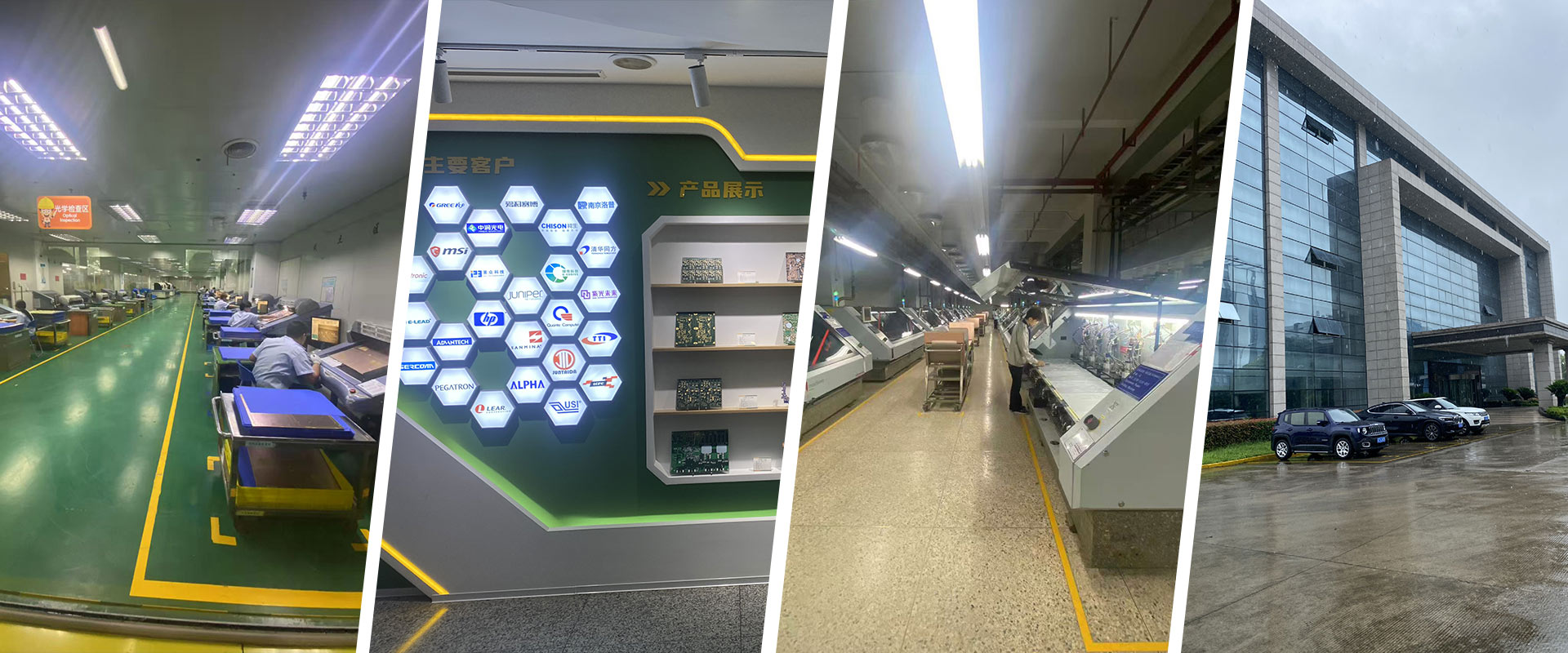
Factory Pictures