|


Mixed Laminate Multilayer PCBs excel in process versatility by combining diverse substrate materials to meet specific performance demands. Their manufacturing involves precision lamination of dissimilar materials—such as FR-4 for rigidity, polyimide for high-temperature resistance, and PTFE for high-frequency performance—into a single integrated board. Advanced processes like sequential lamination ensure strong bonding between different substrates, while laser drilling creates microvias (0.1mm–0.2mm) for reliable interlayer connections. These PCBs support 4–24 layers with controlled impedance (50Ω–100Ω) and fine line widths/spacing (3mil/3mil), balancing structural stability with tailored electrical properties. They can withstand extreme temperatures (-65°C to 200°C) and exhibit low signal loss, making them ideal for complex signal environments.
In applications, Mixed Laminate Multilayer PCBs are pivotal in high-performance electronics. Telecom infrastructure, including 5G base stations and routers, leverages their high-frequency capabilities for seamless data transmission. Aerospace systems use them to integrate rigid control modules with heat-resistant sections in satellite communication units. Medical devices like MRI machines and ultrasonic equipment rely on their low noise characteristics for precise signal processing. Automotive electronics, especially electric vehicles, employ them to combine rugged power distribution layers with high-speed data lines in battery management systems. Additionally, industrial automation tools utilize their versatility to handle both power and sensor signals in compact, harsh-environment setups.
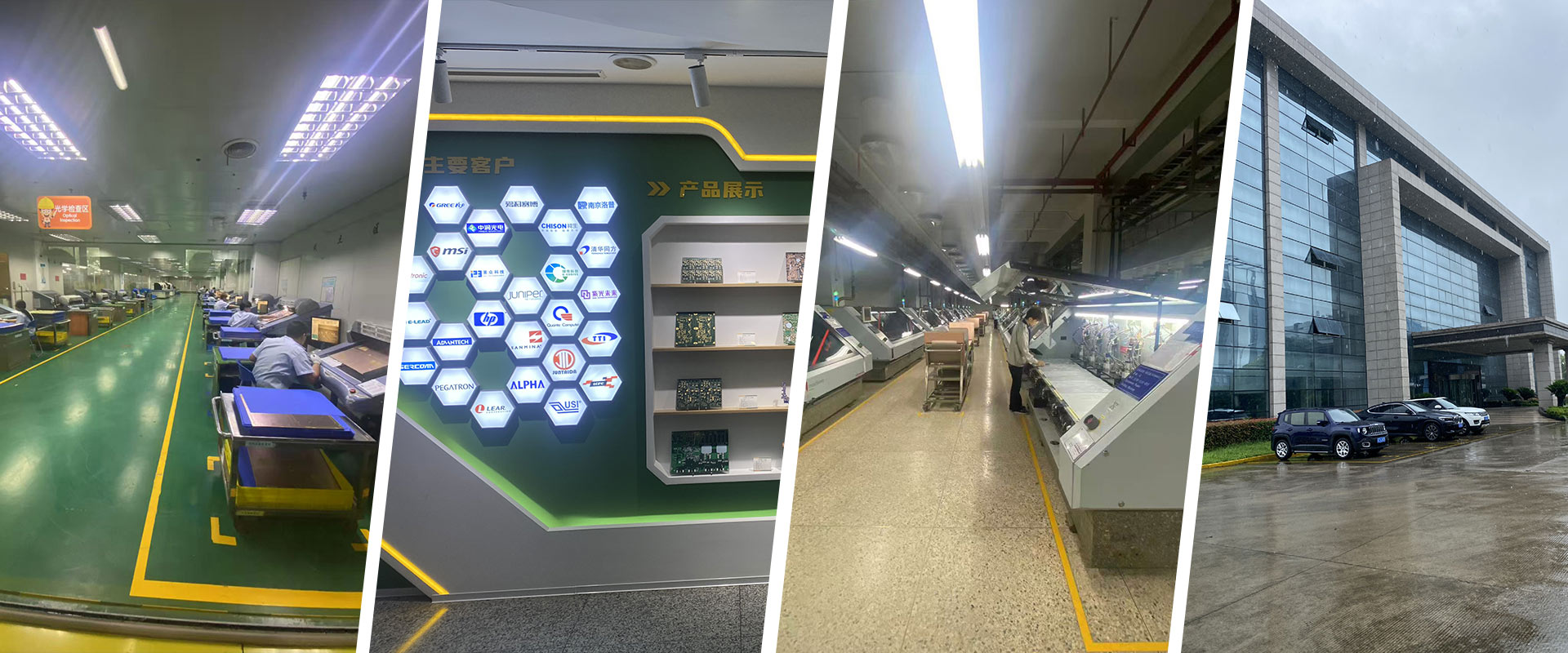
Factory Pictures