|


HDI PCBs (High-Density Interconnect Printed Circuit Boards) are high-end circuit carriers that adopt microvias, fine conductors, and small-pitch technologies. Through high-density wiring and advanced interconnection processes, they enable miniaturization and high performance of electronic devices. Compared with traditional PCBs, their core advantage lies in using blind vias and buried vias to replace some through-holes, reducing the length of signal transmission paths, lowering interference and loss. At the same time, through thinner line widths (up to less than 2mil) and smaller pad pitches, they significantly improve the integration of components per unit area.
In the application field, HDI PCBs are key components of high-end electronic devices. Mobile devices such as smartphones and tablet computers rely on them to realize complex functions in thin and light bodies; 5G base stations and millimeter-wave radars need them to ensure stable transmission of high-speed signals; medical equipment such as portable monitors and minimally invasive surgical robots achieve precise control with the help of their high-precision wiring; satellite communication modules and UAV navigation systems in the aerospace field ensure reliable operation by using their vibration resistance and extreme environment tolerance. In addition, autonomous driving sensors in automotive electronics and optical modules of AR/VR devices also meet strict performance requirements due to the high reliability and space efficiency of HDI technology.
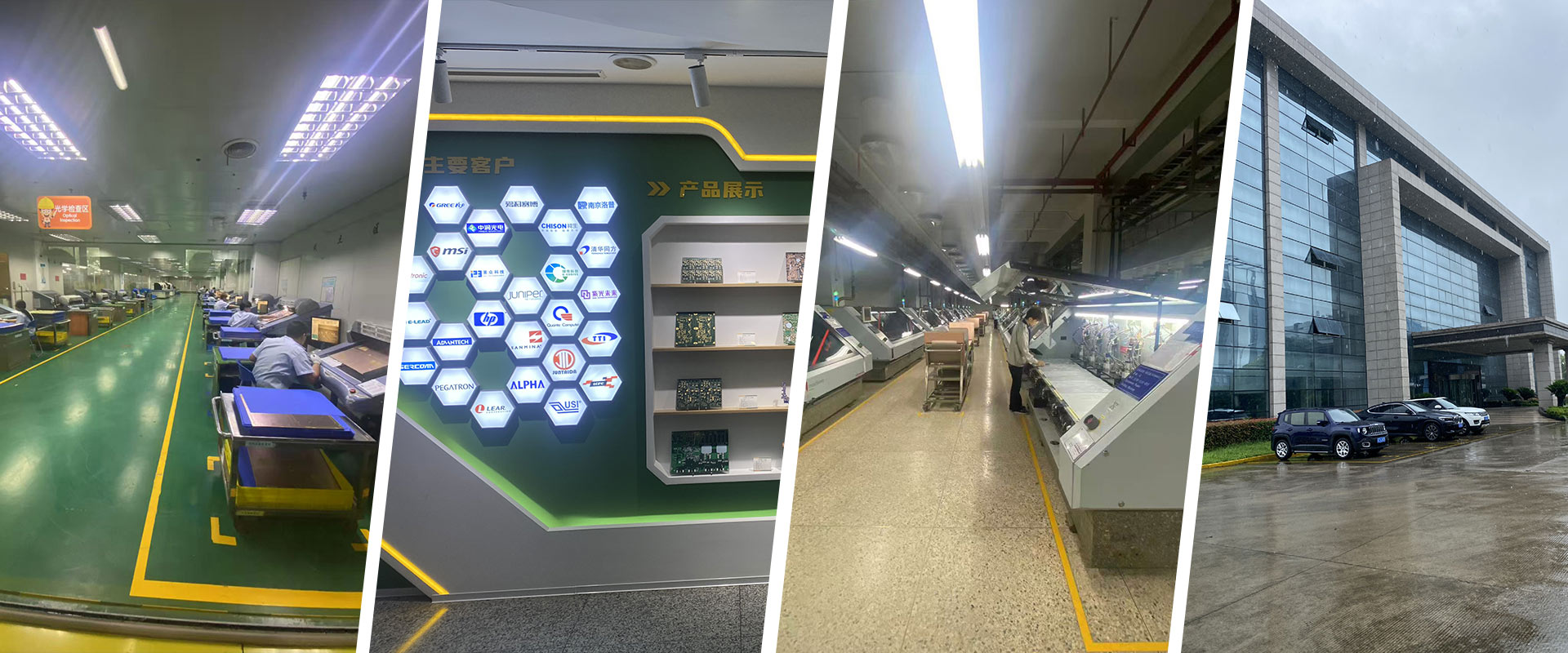
Factory Pictures