|


Rigid-Flex PCBs, integrating rigid and flexible substrates, boast exceptional process capabilities tailored for complex electronic designs. Their manufacturing involves precision lamination of rigid FR-4 sections with flexible materials like polyimide, enabling seamless transitions between rigid and bendable areas. Advanced processes such as laser drilling create microvias (down to 0.1mm) for reliable interlayer connections, while controlled impedance routing ensures signal integrity in dynamic applications. These PCBs support varying layer counts (typically 2-20 layers) and can accommodate fine line widths/spacing (3mil/3mil), balancing flexibility with structural stability. The ability to withstand repeated bending (up to 100,000 cycles) and extreme temperatures (-55°C to 125°C) further enhances their durability.
In applications, Rigid-Flex PCBs excel in space-constrained and motion-intensive environments. In consumer electronics, they enable sleek designs in foldable smartphones and wearable devices by eliminating bulky connectors. Aerospace and defense systems leverage their lightweight, vibration-resistant properties for satellite communication modules and avionics. Medical devices like implantable monitors and portable diagnostic tools use them for reliable performance in compact, body-conforming designs. Automotive electronics, particularly in advanced driver-assistance systems (ADAS) and in-vehicle infotainment, benefit from their ability to fit into irregular spaces while withstanding harsh cabin conditions. Additionally, industrial robotics relies on these PCBs to streamline wiring in articulated arms, reducing maintenance needs and improving operational efficiency.
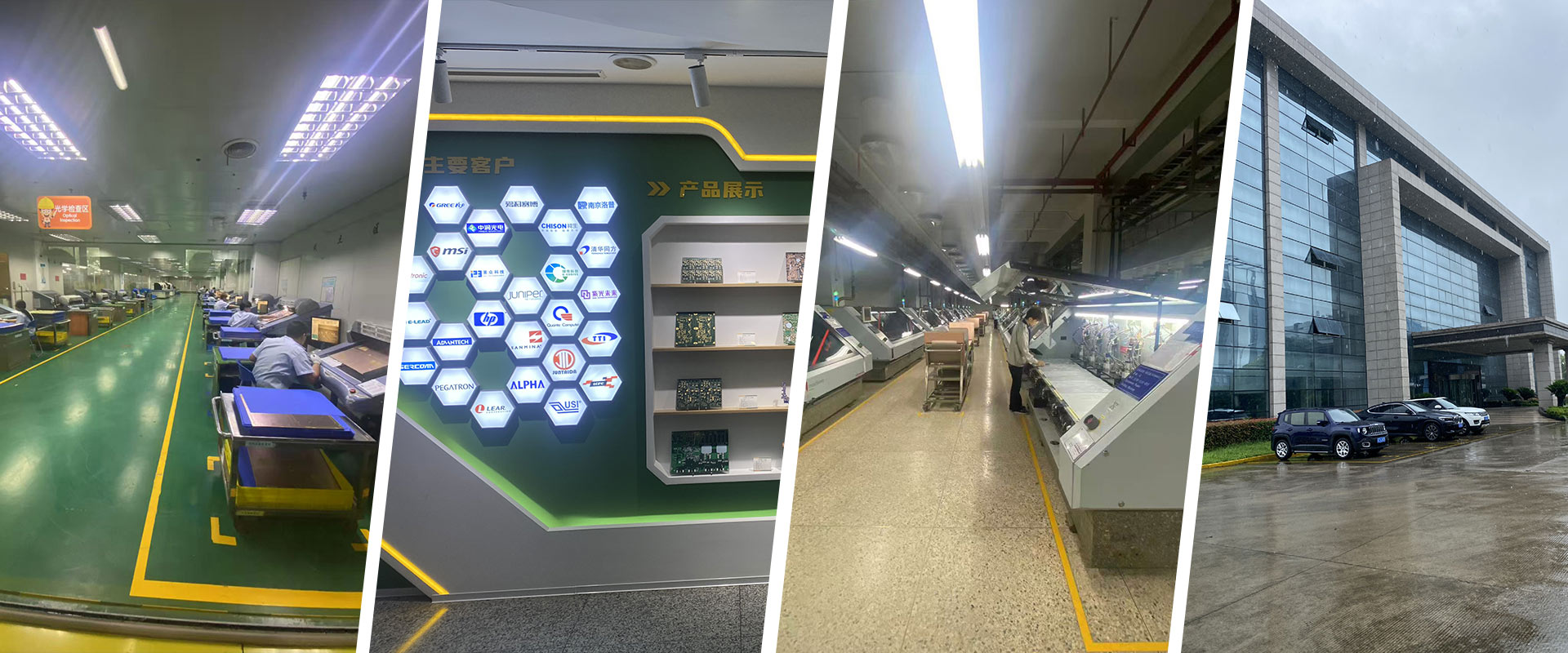
Factory Pictures