|


Multilayer PCBs, constructed with three or more conductive layers separated by insulating substrates, excel in enabling high-density circuit integration for complex electronic systems. Their primary functions include reducing signal interference through dedicated power and ground planes, enhancing signal integrity for high-speed transmission, and minimizing device footprint by utilizing vertical space. This structural design also improves thermal management, ensuring stable performance in compact, high-power devices. Additionally, they offer superior mechanical strength, making them suitable for harsh operating environments.
Key process parameters define their manufacturing and performance. Layer count ranges from 4 to over 50, depending on application complexity. Substrate materials like FR-4 (flame-retardant) are common for general use, while high-frequency applications employ PTFE or Rogers materials. Copper thickness typically varies from 18μm to 70μm, influencing current-carrying capacity. Dielectric thickness between layers, usually 0.1mm to 0.3mm, affects signal propagation speed. Minimum trace width and spacing (often 3mil/3mil or finer) determine routing density. Controlled impedance (50Ω, 75Ω, etc.) is critical for high-frequency applications, ensuring consistent signal transmission. These parameters are tailored to meet specific requirements in industries such as telecommunications, aerospace, and medical electronics.
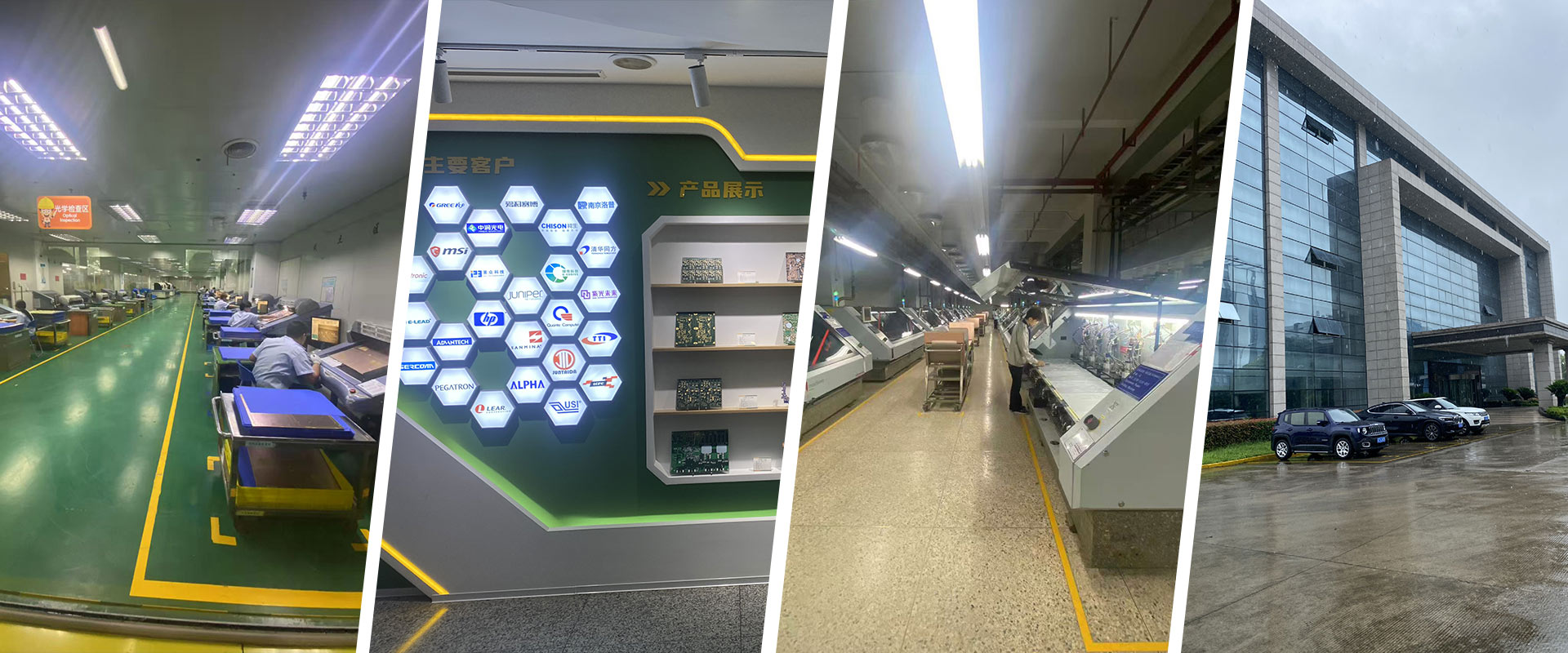
Factory Pictures